




The 10 Most Scariest Things About 30 Ft Container Dimensions
페이지 정보

본문
Understanding 30 Ft Container Dimensions
When it concerns shipping and logistics, container dimensions play an essential function in enhancing transportation and storage options. Among numerous container sizes readily available for industrial and individual use, the 30-foot container stands out due to its versatility. This blog site post intends to provide a detailed introduction of 30 Ft Container Dimensions (relevant site), requirements, and applications.
Overview of Shipping Containers
Shipping containers are utilized around the world for the transport of products. They are available in numerous sizes and types, with the most typical dimensions being 20 feet and 40 feet. Nevertheless, the 30 ft container provides an intermediate service, providing advantages for particular shipping and storage needs.
Dimensions of a 30 Ft Container
Here are the specifications of a standard 30 ft container:
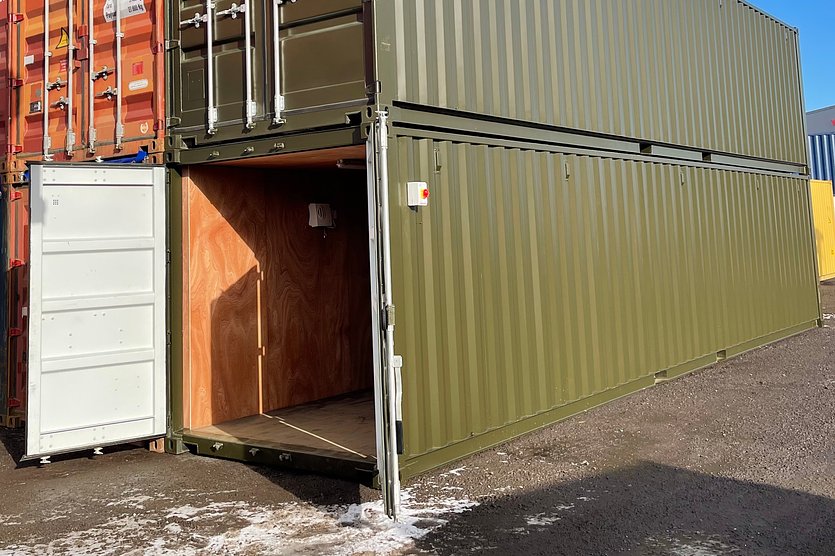
| Dimension | Metric (m) | Imperial (ft) |
|---|---|---|
| External Length | 9.14 m | 30 ft |
| External Width | 2.44 m | 8 ft |
| External Height | 2.59 m | 8.5 ft |
| Internal Length | 9.00 m | 29.5 ft |
| Internal Width | 2.35 m | 7.7 ft |
| Internal Height | 2.39 m | 7.9 ft |
| Maximum Payload | 26,000 kg | 57,320 pounds |
| Volume | 66.2 m ³ 2,335 ft ³ External vs. Internal DimensionsExternal dimensions refer to the general size of the container, including the building structure, while internal dimensions describe the functional space within the container. Understanding these differences is important for planning just how much cargo can be loaded. Advantages of Using a 30 Ft Container Utilizing a 30 ft container cansupply numerous advantages, depending upon theparticular service requirements: Optimal Storage Solution: The 30 ft container strikes a balance in between size and capacity
material and construction. Q3: Are 30ft containers available for rent? A: Yes, both rental and purchasechoices are available for 30 ft containers through shipping and logistics companies. Q4: Can a 30 ft container be delivered globally? A: Yes, they can be used for international shipping, based on the guidelines of the nations involved in the transportation. Q5: What is the distinction in between a basic container and a high-cube container? A: A high-cube container is 1 ft taller than a standard container, providing it more internal space. For example, a high-cube 30 ft container will usually have an external height of 9.5 ft. The 30 ft container offers a distinct blend of size,performance, and cost-effectiveness, making it a preferred choice for various shipping and storage needs. Services and individuals alike can gain from its versatility, whether needing short-lived storage, moving a workplace, or shipping goods throughout borders. Understanding the dimensions, applications, and benefits of 30 ft containers can help optimize logistics and make informed decisions to fulfill your shipping and storage requirements. If you're thinking about using a 30 ft container for your needs, it's finest to speak with professionals to guarantee it fits your specific requirements, spending plan, and space restraints. |
- 이전글Many thanks Quite a few informative tips 26.03.06
- 다음글10 Best Casement Window Installer-Related Projects To Stretch Your Creativity 26.03.06
댓글목록
등록된 댓글이 없습니다.