




The 10 Most Terrifying Things About Shipping Container Architecture
페이지 정보

본문

Shipping Container Architecture: A Sustainable Future for Building Design
On the planet of architecture and construction, development continually presses the limits of what's possible. One such trend that has gained considerable traction in the last few years is shipping container architecture. This approach transforms repurposed shipping containers into functional living and working areas, providing an environmentally friendly, economical, and visually pleasing alternative to conventional building methods. This article looks into the advantages, challenges, and different applications of shipping container architecture while dealing with often asked concerns and offering a summary of the design procedure.
What is Shipping Container Architecture?
Shipping container architecture includes the design and construction of structures using intermodal containers as the primary structure material. These steel boxes, originally intended for transporting goods throughout oceans, are lauded for their strength, toughness, and modularity. The pattern has developed into a robust movement in sustainable building practices, attracting eco-conscious designers, builders, and house owners alike.
| Key Features of Shipping Containers | |
|---|---|
| Products | Steel, insulation materials, glass, etc. |
| Modularity | Quickly stackable and movable |
| Resilience | Resistant to rot, pests, and severe weather condition |
| Price | Lower construction and functional expenses |
Advantages of Shipping Container Architecture
Sustainability: One of the most substantial benefits of shipping container architecture is its eco-friendliness. By repurposing these containers, home builders add to material reuse and decrease waste. Additionally, their toughness extends the life process of the raw materials, decreasing the need for New Shipping Containers resources.
Cost-Effectiveness: Shipping containers are normally more economical than standard structure products. Their availability in the pre-owned market also adds to lower expenses, making them an appealing alternative for budget-sensitive projects.
Speed of Construction: Shipping container structures can be constructed relatively rapidly, as a number of the parts are pre-fabricated. This speed enables quicker tenancy, which is important in housing crises or for momentary setups.
Design Flexibility: Shipping containers can be integrated, stacked, and modified extensively, providing designers with sufficient chances to produce special designs that accommodate specific needs and visual appeals.
Mobility: Shipping container structures can be moved easily, making them perfect for short-term structures or mobile living solutions.
Obstacles of Shipping Container Architecture
While the advantages of Shipping Container Cabin container architecture are vast, it is vital to consider the prospective obstacles too.
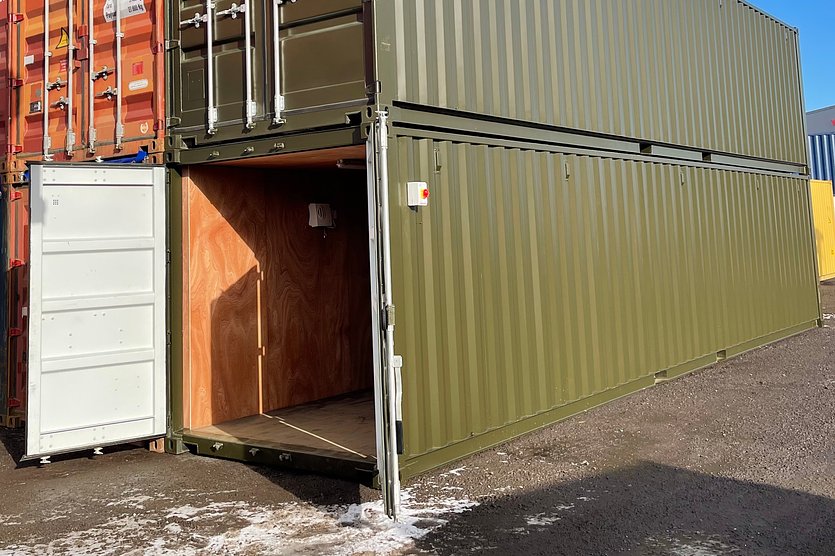
Insulation: The metal structure of shipping containers poses difficulties regarding temperature guideline. Correct insulation is needed to guarantee convenience in both cold and hot environments.
Zoning Laws and Regulations: Depending on regional regulations, getting approval to build a shipping container home can be made complex. Each municipality has various structure codes that might not recognize shipping containers as appropriate structure materials.
Modifications: While containers are structurally strong, modifications such as cutting and welding can weaken their stability. Proper engineering is required to make sure safety and toughness.
Rust and Corrosion: Shipping containers are designed for maritime use, however prolonged exposure to moisture can lead to rust. Treatments and coatings are often required to fight this problem.
| Difficulty | Possible Solution |
|---|---|
| Insulation | High-quality insulation materials and techniques |
| Zoning Regulations | Assessment with local authorities and adherence to codes |
| Modifications | Engage professional designers and engineers |
| Rust and Corrosion | Use ideal coverings and positioning strategies |
Applications of Shipping Container Architecture
20ft Shipping Container container architecture is flexible and can be employed in various sectors. Here are some of the most popular applications:
Residential Homes: Many house owners embrace container homes as a sustainable living alternative. With imaginative designs and layouts, they can be changed into comfortable, modern homes.
Business Spaces: Retail shops, coffee shops, and workplaces can likewise gain from shipping containers due to their distinct appeal and rapid construction. Mobile food trucks have actually gotten tremendous appeal as an outcome.
Emergency Shelters: Shipping containers can be quickly modified into short-lived housing units for disaster relief situations, making them important to humanitarian efforts.
Pop-Up Developments: Container architecture enables for temporary setups for occasions, celebrations, or markets, using special experiences while reducing construction expenses.
Designing with Shipping Containers
The design process for a Shipping Container Business container task usually involves the following actions:
Concept Development: Define the function and overall vision for the container structure.
Website Assessment: Evaluate the website for zoning restrictions, gain access to, and energy connections.
Container Sourcing: Identify and obtain the necessary shipping containers based on size, condition, and budget.
Architectural Planning: Collaborate with designers or design professionals to create in-depth strategies, designs, and structural engineering assessments.
Construction: Engage construction specialists with experience in working with shipping containers, guaranteeing that all modifications comply with security requirements.
Completing Touches: Install utilities, insulation, interior surfaces, and landscaping to complete the task.
Often Asked Questions
Q1: Are Refrigerated Shipping Containers container homes cost effective?A: Yes, shipping container homes can be more inexpensive than conventional homes, especially if you buy used containers and deal with a few of the labor yourself.
Q2: Are shipping containers resilient?A: Shipping containers are remarkably resilient and can withstand severe weather, however proper treatment is required to decrease rust and deterioration.
Q3: Can shipping container homes be customized?A: Absolutely! Shipping containers can be easily modified to match different design requirements, consisting of layout changes and aesthetic preferences.
Q4: Do shipping container homes require structure authorizations?A: Yes, structure authorizations are normally required, and it is important to examine regional zoning laws ahead of time.
Shipping Container Architecture (related webpage) represents a groundbreaking and sustainable method to developing design. With numerous advantages, including ecological advantages, cost-effectiveness, and design versatility, this trend is an exceptional choice for ingenious architecture. However, prospective builders ought to carefully think about prospective obstacles and the required steps for an effective task. As society gravitates toward sustainable practices, shipping container architecture is most likely to end up being a significantly viable and appealing service for contemporary living and workplace.
- 이전글You'll Never Be Able To Figure Out This Cylinder Lock Replacement's Secrets 26.03.06
- 다음글10 Life Lessons That We Can Learn From Prescription Diet Pills 26.03.06
댓글목록
등록된 댓글이 없습니다.